
What to photograph when you move into a Texas rental
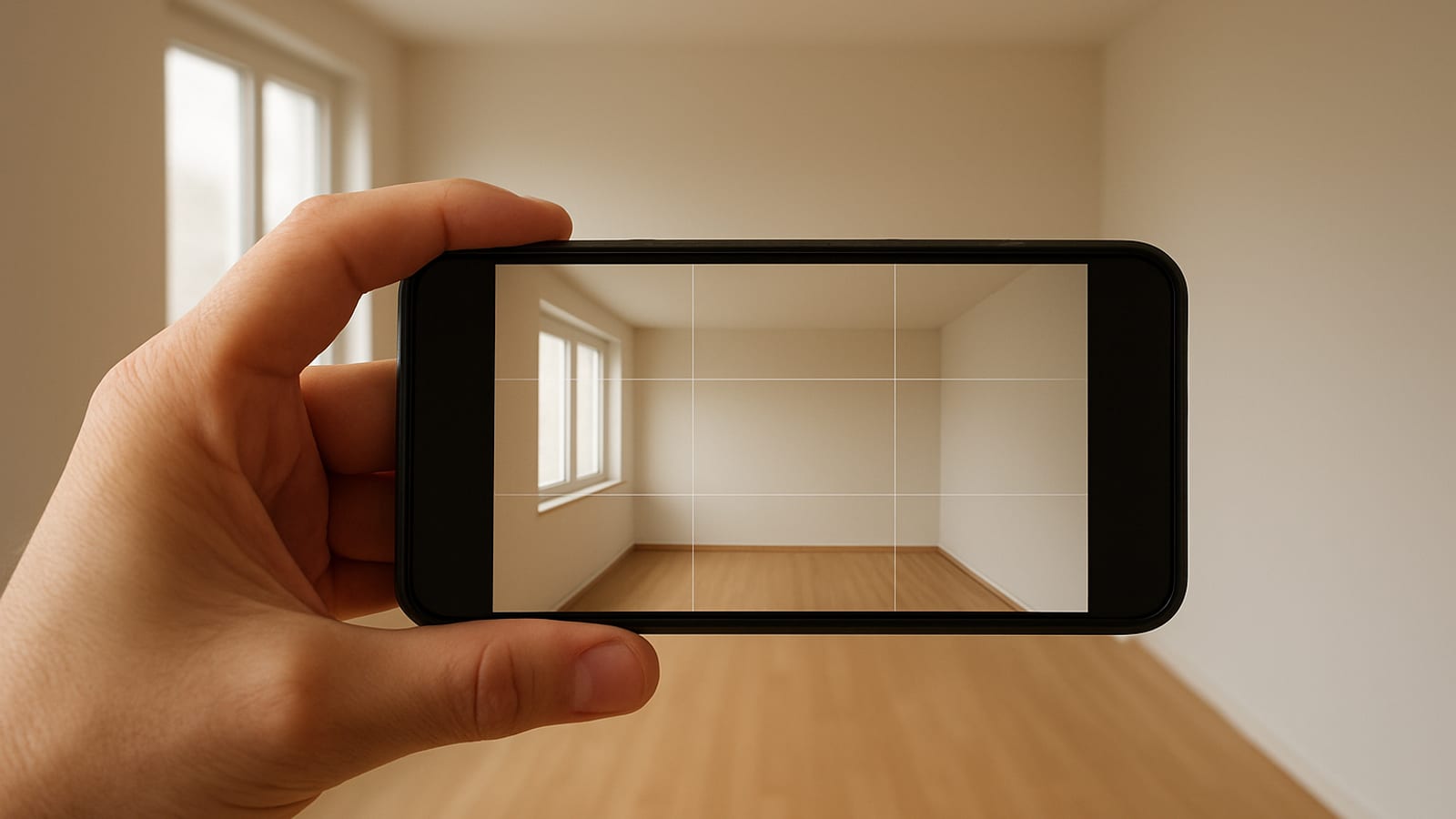
The photographs you take on move-in day are not paperwork anyone requires. They are evidence you make for a dispute that has rules — and the rules are the reason to bother. Texas sets out what a landlord can and cannot keep from a security deposit, and most of that rule set turns on proving the condition of the property on the day you got the keys.
This page is the evidence kit first and the rules second, because the kit is the part you can do in an afternoon.
The rules your photos answer to
The Attorney General's Renter's Rights page describes the deposit rules in plain terms, with the Property Code sections beside them:
- The 30-day clock. A landlord must return the deposit, less any amount deducted for damages, within 30 days. You must give the landlord a forwarding address in order to receive it.
- The itemised list. If any part of the deposit is withheld, the landlord must give you an itemised list of deductions with a description of the damages.
- Wear is not damage. A landlord "may not charge you for normal wear and tear on the premises and may only charge for actual abnormal damage." The page's own example: carpet that simply became more worn from a year of walking is not chargeable, while carpet made mildewed by a leaking water bed may be.
- Notice clauses exist. Many leases require advance notice of moving — often 30 days — as a condition of returning the deposit, so the lease is the first document to read.
(Office of the Attorney General of Texas, "Renter's Rights", cited by retrieval 24 September 2026; the page prints no review date.)
Read the middle rule again, because it is what the photographs are for. Every deposit dispute is an argument about whether a condition was there when you arrived.
What to photograph
Walk the unit once, slowly, before the first box is unpacked, and shoot in this order:
- Each room from the doorway, then the same wall the other way. Wide shots establish where the close-up was taken.
- Every existing flaw, close up: wall scuffs, chipped tile, stained grout, torn screens, scratched counters, a door that does not close squarely.
- The floors and the carpet — especially any stain, burn or worn path — plus the paint at doorways and behind furniture.
- Appliances and fixtures, inside and out: oven, fridge, dishwasher, disposal, water heater, the air conditioning return and filter, tub and shower surrounds, and every window and blind.
- Anything you can read a number off: the utility meters, and the thermostat, so the date and the condition line up later.
- The outside, if you have a yard, a fence, a mailbox or a garage: those are the items that get charged back.
Two habits make the set usable rather than just large. Put something datable in the frame on at least one shot per room, because a file's creation date is easy to lose and impossible to argue with. And keep the photos out of a phone that will be replaced — a dated folder, backed up, or emailed to yourself, is the version you will still have in 30 days' time.
Pair the photos with a written inventory
Photographs prove condition. An inventory proves what was in the place. TDI's renters insurance pages describe the insurer's version of that habit — fill out a home inventory to know the value of your belongings and to be sure your coverage is enough — and warn that a policy pays up to a dollar limit, so a list is how you find out whether the limit fits your life (Texas Department of Insurance, "Renters insurance: What does it cover and how much does it cost?", last updated 10 December 2025, retrieved 24 September 2026).
The same page covers the coverage itself: a renters policy typically provides personal property coverage, additional living expenses if damage forces you out for a while, and personal liability. It is not required by law, but a landlord may require it. Most renters policies cover fire, smoke, theft, vandalism and certain kinds of water damage — and do not cover floods, which TDI points to the National Flood Insurance Program to handle (same page).
Move-out day is where the photos get read
The comparison is what counts. When you leave, photograph the same rooms the same way, note the date you gave notice, hand over a forwarding address in writing, and keep the records. If 30 days pass with no deposit and no explanation, the Attorney General's page suggests contacting the landlord first, then, if that does not resolve it, an attorney, the Better Business Bureau or a local tenants' council — or a consumer complaint filed with that office (Office of the Attorney General of Texas, "Renter's Rights", retrieved 24 September 2026).
Dated photos and a written inventory cost an hour and decide how a deposit argument goes. If the lease is what you are weighing against buying, the Rent or Buy tool compares the two from numbers you enter and knows nothing about your lease, and Rent or buy in San Antonio walks through the same decision.
Tool
Rent or Buy
What this is. A guided way to put the two things side by side — what you would pay to keep renting, and what owning the home you have in mind would really cost once taxes, insurance, upkeep and the costs of buying and of selling are in the same row. It answers one question: in what year does owning come out ahead on your own numbers, and how much does that answer move if you stay longer, pay a different rate, or the home grows in value?
What it is not. It is not a prediction about San Antonio's market and not a recommendation to rent or buy. We hold no listings, we look up no rents, prices, rates, tax rates or insurance premiums, and we quote no market statistic. Every figure in the answer is one you typed or one of the labelled assumptions listed beside it. Arithmetic on your numbers can tell you what your own assumptions imply — it cannot tell you what a home is worth, what it will be worth, or what you should do.
Every figure is computed by rent-or-buy-v1 from what you type and from the labelled defaults you can see and change — no AI produces any of it.
Nothing is compared yet
Enter what you pay to live there now, and the price of the home you have in mind. The answer appears as you type, and every other figure in it is a labelled assumption you can see and change.
Once you have entered a rent and a price, you can save this answer, email it, or ask an expert about it.
- Enter what you pay to live there now (or what you would pay) and the comparison starts: the rent side is that figure, growing at the rate you set beside it.
- There is no price for the home you have in mind yet, so there is nothing to compare. Enter a price and the owning side fills itself in.